Every year on International Women’s Day, my social media feeds fill with inspirational quotes, photos of some of my favourite people, and celebrations of how far we’ve come.
Being in the Scottish Parliament as a young woman, I am acutely aware of the shoulders I stand on, and I’m so proud to have got to know so many very strong, passionate, powerful women through my job.
But if we spend today only looking at what we’ve done, we ignore the lurking dangers that face women and girls, both in and outwith politics, that are yet to be tackled.
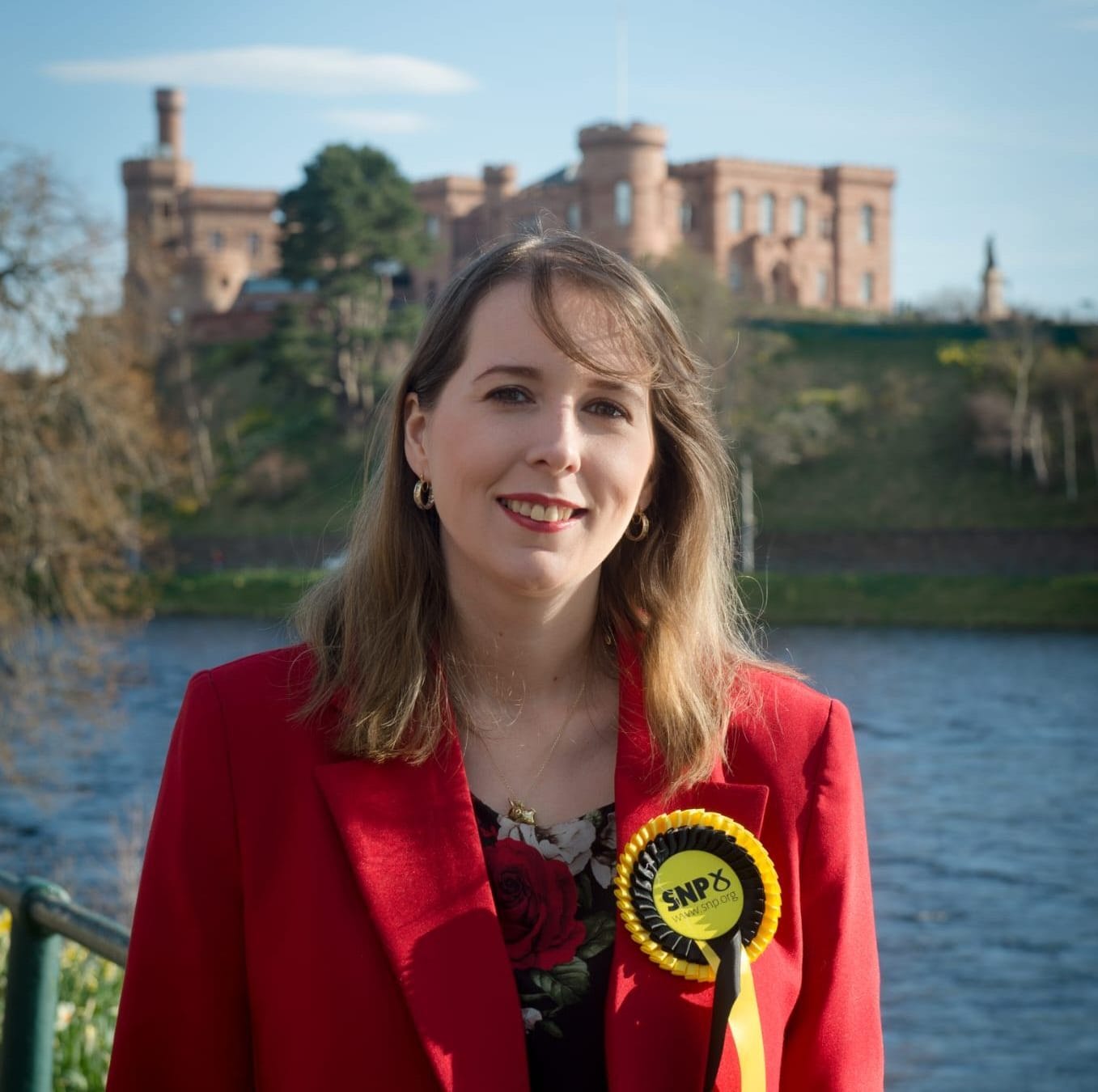
When I first started campaigning for the SNP, it genuinely wasn’t because I wanted to be an MSP; I was convinced I was best-placed in the background, organising and keeping to myself, blasting through admin tasks and drafting press releases for the candidates.
I was drawn to politics because the systems I saw around me, in housing, in healthcare, in education, were failing people, and being part of a campaign allowed me to play a small part in addressing that.
Excitingly, the more I got involved, the more I realised what I had to offer, how much of what I consider the basics – ensuring safety and inclusion, standing against discrimination – aren’t a given, and that I did have the ability to make positive change.
On the other hand, the more I got involved, the more I was also subjected to a wide spectrum of the misogynist behaviour that is pervasive against women in politics. Being a teenager when I joined, the constant churn of patronising comments and unsolicited critique, reduction of my efforts, and flat-out exclusion was definitely of a particularly distilled brand.
In the face of recommendations to grow a thicker skin or “get over it”, I promised myself I would never get to the point of thinking sexual harassment, blatant misogyny, and bullying behaviours were normal – and that I’d never tell a younger woman to put up with – or “get over” – it when one day, someone came to me for advice.
Representation is only half the battle. We tell women and girls that politics needs them, that their voices matter, and that they should step up. But we have a moral duty to ensure that when they do step up, they aren’t stepping into a firing line, lost at the next opportunity they get to grab a quieter life.
The issues we have to tackle range from the constant anonymous online abuse aimed too often at female candidates and representatives to more individual, direct persecution.
Lately, I’ve been thinking a lot about what it means for a political party to truly “protect” women. It is easy to call out misogyny when it comes from an ideological opponent – it costs nothing to condemn a person from another party for their behaviour, and too many actually take real glee in doing so. The real test of a party’s character is how it handles its own.
While chatting to a former Lib Dem minister last week, we agreed on many issues, but the chief amongst them was the truth that most of your opposition as a politician comes from your own party.
I’m constantly coming up against misogyny. It’s not an SNP issue – it’s a societal one – and any party that claims its free of this is lying.
The reason it’s worse in politics is that those men then have the power to make decisions about everyone else, too; further their harmful attidues; and even push women out of public life.
From those men who constantly talk over you, but will only listen to you if you have another man relay the message, to the ones who actively go out to brief against you or exclude you from party communications and events, all the way to the dangerous ones that women whisper warnings to each other about, we have all seen it, but are yet to crack the way of stamping out this behaviour.
There is a temptation to quieten a victim to avoid a bad headline, or to prioritise the career of a “talented” man over the safety of the women working alongside him, or to excuse “one of ours”.
When we do that, we don’t just fail the woman – or, often, women – involved. We send a wider message that political capital can be spent on excusing bad behaviour. We tell people that safety is a secondary concern to the greater good of the party. I refuse to accept that. There is no “greater good” that justifies protecting an abuser.
True solidarity is the willingness to say: “I don’t care how many social media followers you have, how long you’ve been a member, or how much of a ‘good guy’ people think you are. If you cause harm, you are not welcome.”
I encourage local branches to take that stance and support their female members when they inevitably face bad behaviour.

To the women who are looking at politics and feeling hesitant: I see you. I know the environment can look daunting, and I know that sometimes the pressure to be a team player feels like a demand for silence.
My promise to you this International Women’s Day is that I will continue to be a voice demanding that political parties – all of them – move toward independent, transparent reporting and a culture where the victim is never the one made to feel like the problem.
Women in politics bring a specific, lived understanding of how systems fail: we know what it’s like to navigate a world not designed for us. Our presence in the rooms where decisions are made ensures that “women’s issues” and efforts to tackle gender inequality are not confined solely to childcare or justice, but everything that women actually care about – in other words, everything!
So, we need more of them to stand, and more of them to contribute to the conversation.
That means making politics a place where accountability is a fundamental, automatic reaction to the behaviours that try to drive women away in the wrong direction.
Let’s celebrate today – but also make sure that today becomes something we later look back on with pride at how far we’ve come.