BPA air fàilte a chur air bile cudromach nan cànanan A’ dìon agus a’ toirt taic do Ghàidhlig is Albais sa Ghàidhealtachd is na h-Eileanan
Tha BPA na Gàidhealtachd is nan Eilean, Emma Roddick, air fàilte a chur air bile nan Cànanan Albannach, a chaidh a ghabhail ris sa mhìos a chaidh, bile fìor-chudromach a thaobh taic a thoirt do Ghàidhlig is Albais. Bidh am bile a’ cuideachadh gus inbhe na Gàidhlig is na h-Albais a dhìon mar chànanan oifigeil, a bharrachd air dìon is taic a thoirt do theagasg nan cànanan seo.
Tha am bile a’ riochdachadh gluasad air adhart cudromach san taic is dìon a bheirear do Ghàidhlig is Albais, leis gum bi am bile a’ cuideachadh gus taic a thoirt do thràth-ionnsachadh is cùram-chloinne tro mheadhan na Gàidhlig, a bharrachd air fàs a thoirt air an àireamh de theisteanasan a gheibhear sa Ghàidhlig, agus inbhean foghlaim airson Gàidhlig is Albais a stèidheachadh.
’S e ceum cudromach gum bi am bile a’ stèidheachadh “Sgìrean Gàidhlig Sònraichte”. ’S iad seo sgìrean ann an Alba far a bheil àireamh bhrìgheil de dhaoine aig a bheil sgilean Gàidhlig, no sgìrean ceangailte ri cleachdadh na Gàidhlig, far a bheilear a’ teagasg is ag ionnsachadh na Gàidhlig no far a bheil gnìomhachd is cultar na Gàidhlig a’ tachairt.
Bidh am bile ag obair ann an co-bhann ri fàs a thoirt air sgilean na Gàidhlig, agus bidh e a’ toirt taic dha seo, agus dàta bhon chunntas-sluaigh a’ nochdadh gun deach an àireamh dhiubhsan a tha comasach air Gàidhlig a labhairt is a sgrìobhadh is a leughadh an àird 36% eadar 2011 agus 2022.
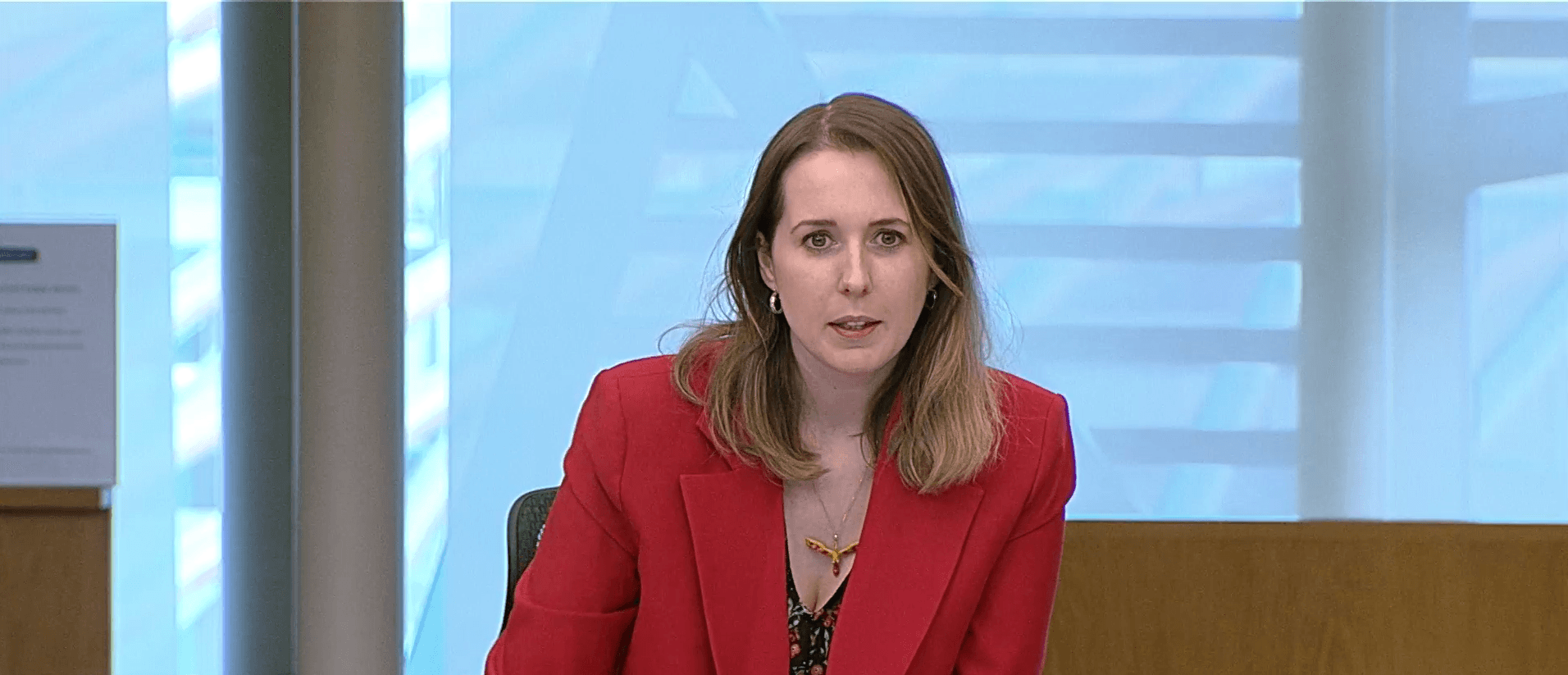
Bhruidhinn Roddick rè deasbad Ìre 3 air a’ bhile, ga mholadh:
“Tha am bile seo a’ toirt seachad ceumannan leis am faod ùghdarrasan ionadail sgìrean Gàidhlig sònraichte ainmeachadh. ’S iad seo sgìrean far a bheil àireamh mhòr de luchd-labhairt na Gàidhlig no de ghnìomachd Ghàidhlig ann agus a tha cudromach do chur air adhart is taic a thoirt don chànan.
“Bidh sgìrean Gàidhlig sònraichte mar leasachadh ùr, leis a’ chomas gus fòcas a chur air taic làidir a thoirt do sgìrean le gnìomhachdan Gàidhlig agus àireamh mhòr de luchd-labhairt. Bidh am pròiseas cudromach seo a’ gabhail a-steach co-dhùnaidhean ùghdarrasan ionadail, in-chur bho choimhearsnachdan, tagradaireachd bho Bhòrd na Gàidhlig agus com-pàirteachas Ministearan na h-Alba.”
English:
Highlands and Islands MSP Emma Roddick welcomed the passing of the ‘Scottish Languages Bill’ last month, a landmark bill in support of the Gaelic and Scots languages. This bill will help ensure the status of Gaelic and Scots as official languages, as well as help protect and support the teaching of these languages.
This bill represents a significant move in the protection and support of Gaelic and Scots language, as this bill will help support Gaelic medium early learning and childcare, as well as establish a growth in the qualifications available in Gaelic and educational standards for Gaelic and the Scots language.
An important aspect of this bill was the generation of “Areas of Linguistic Significance.” These are areas in Scotland where there are significant numbers of people with Gaelic language skills, or areas that are connected to the use of Gaelic, teaching and learning of Gaelic is prominent, or activity of Gaelic language and culture takes place.
This bill acts in alignment with, and supports, the growth of Gaelic language skills, as census data displays a 36% increase between 2011 and 2022 of those who speak, write, and read in Gaelic.
Roddick spoke in praise during the Stage 3 Proceedings of the Bill:
“This bill provides provisions for local authorities to designate areas of linguistic significance. These will be areas where there are important numbers of Gaelic speakers of levels of Gaelic activity, and that are clearly important for the promotion and support of the Gaelic language.”
“Areas of linguistic significance will be a new development, with the potential to focus strong support on areas with Gaelic activity and significant numbers of speakers. This important process will involve local authority decision-making, community input, Bòrd na Gàidhlig advocacy, and the involvement of Scottish Ministers.”
The bill received Royal Assent on 31st July, and is now an Act.