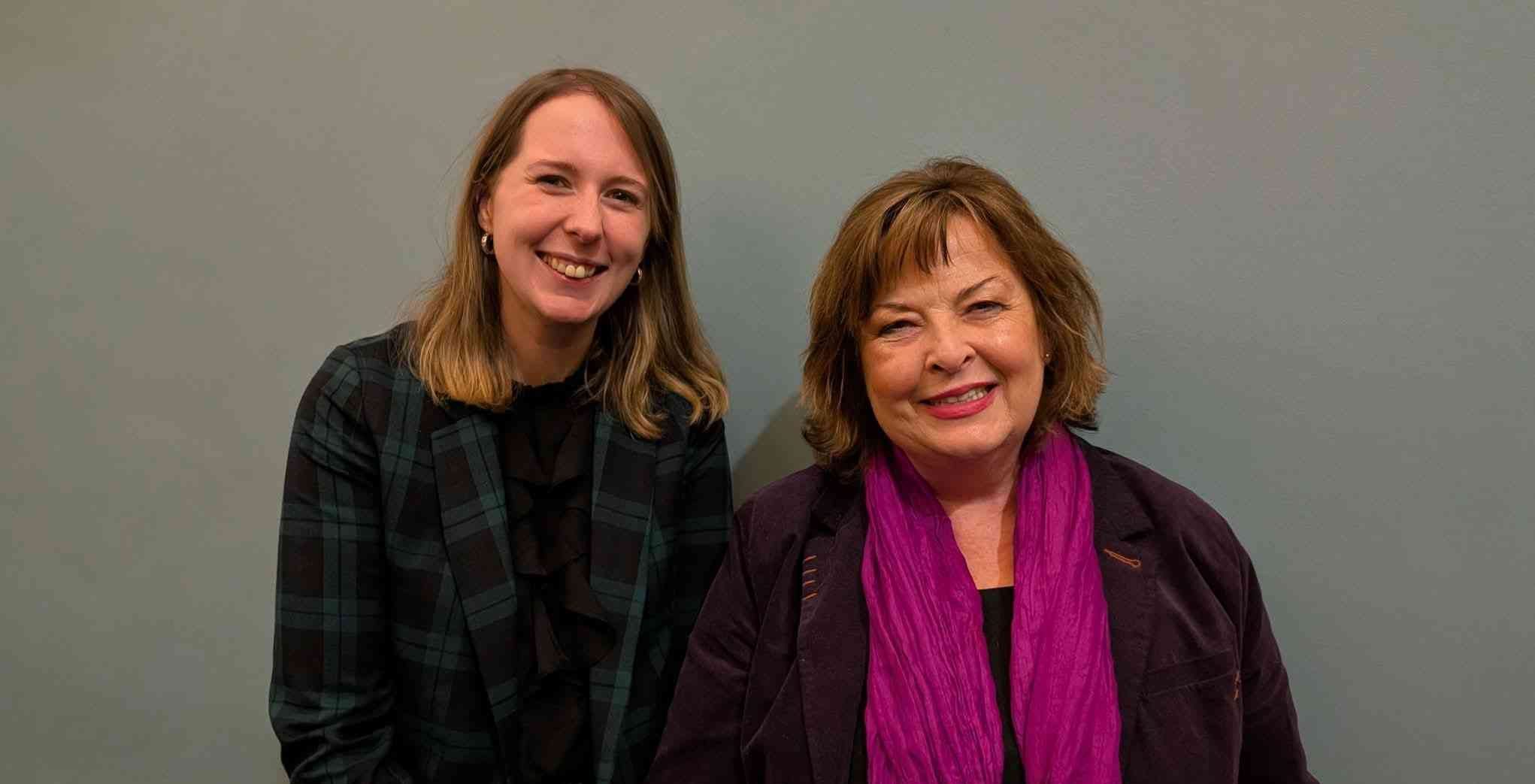
Inverness MSP Emma Roddick has met with the Minister for Public Health to explore if a “middle ground” can be found on new non-surgical procedure laws that local clinicians warn could drive up costs and divert staff from the NHS.
The Scottish Government’s Non-surgical Procedures and Functions of Medical Reviewers (Scotland) Bill currently proposes that a prescriber must be present on-premises where procedures such as lip fillers, Botox injections, and microneedling are carried out. However, following extensive consultation with constituents in Inverness and the wider Highlands, Ms Roddick has warned the Scottish Government that the move could be “prohibitive” for local practitioners.
In a meeting with the Minister for Public Health, Jenni Minto, Ms Roddick highlighted that the high cost of hiring on-site prescribers would likely be passed on to clients, potentially driving them toward “less safe sources” for treatments. She also raised concerns that the move could inadvertently encourage skilled clinical staff to leave the NHS to provide these services privately.
The MSP has argued that a named prescriber should be available to respond to complications, but not necessarily sitting on-site throughout.
Commenting, Emma Roddick MSP said:
“While most are in agreement that regulation is needed, I have heard loud and clear from local business owners that the current proposals simply don’t reflect the reality of operating in the Highlands and Islands. We are already facing staff shortages in the NHS; we cannot afford a policy that encourages our trained clinicians to leave the health service to sit in a room where their skills may not be fully utilised.
“I’m also worried about reports that access to self-injectables is becoming far easier online, and I want to make sure clients can keep going to safe providers that have high standards.
“Safety must be the priority, but we also have to be aware of losing clinical staff to aesthetics, or clients toward unregulated providers, which come with their own dangers.
“The Minister, representing a rural area herself, was sympathetic to the unique challenges we face regarding the availability of clinical staff. I am pleased she has committed to working with me to explore whether there is an answer which ensures patient safety without damaging our local economy or our health service.”
Ms Roddick confirmed she will continue to provide evidence from Highland businesses to the Scottish Government as the Bill progresses.